In the modern era, students have become so accustomed to the social norms of what morals and ideals they need to uphold. This is a very common occurrence in the history of the world, and throughout recorded time there have been widely held beliefs that few dared to question, examples include the teachings of the catholic church, the divine right of kings, and the ‘might makes right’ mentality in every time period of history.
Now in this new time, students are not taught to question common ideals that they believe everyone has. Even in classroom environments students do not think to question what is often taught to them as fact. In one classroom in Idaho, for example, a student was able to get 86% of his classmates to sign a ban on Dihydrogen Monoxide, or H2O, by only giving them details about the damage that water can do without telling them that they were banning water. This highlights the fact that whatever ideals and facts that students are taught in the classroom are not being questioned enough. We as teachers and as mentors need to encourage children to ask questions in the classroom.
The story ‘Metamorphosis’ by Franz Kafka questions a very widely held assumption by humans almost universally, that hard work has the final word in the worth or lack thereof in any person. The story revolves around a man who worked so hard he became an entirely different creature, and it questions the amount of value we put in incessant work. In that time, and even nowadays, a man’s worth is often put in the amount he works; this principal led to a lot of extreme levels of work that became very unhealthy but were overlooked as the overworked man was respected and admired. Franz Kafka was one of the few men who truly questioned the validity of this belief and spoke out against it in his book. Like many of the writers in his time frame, Kafka was a revolutionary thinker, fighting against beliefs he believed foolish. He did this alongside Leo Tolstoy in ‘The Death of Ivan Ilyich’ who spoke out against the ideals of the middle and upper class materialism in Russia at the time.
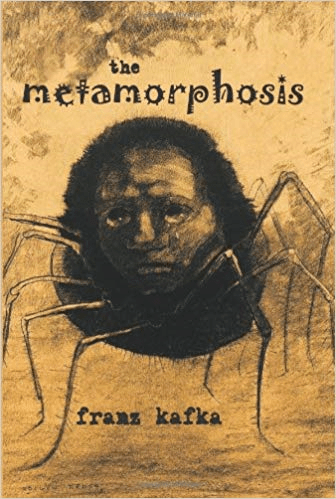
 Perks of the Job